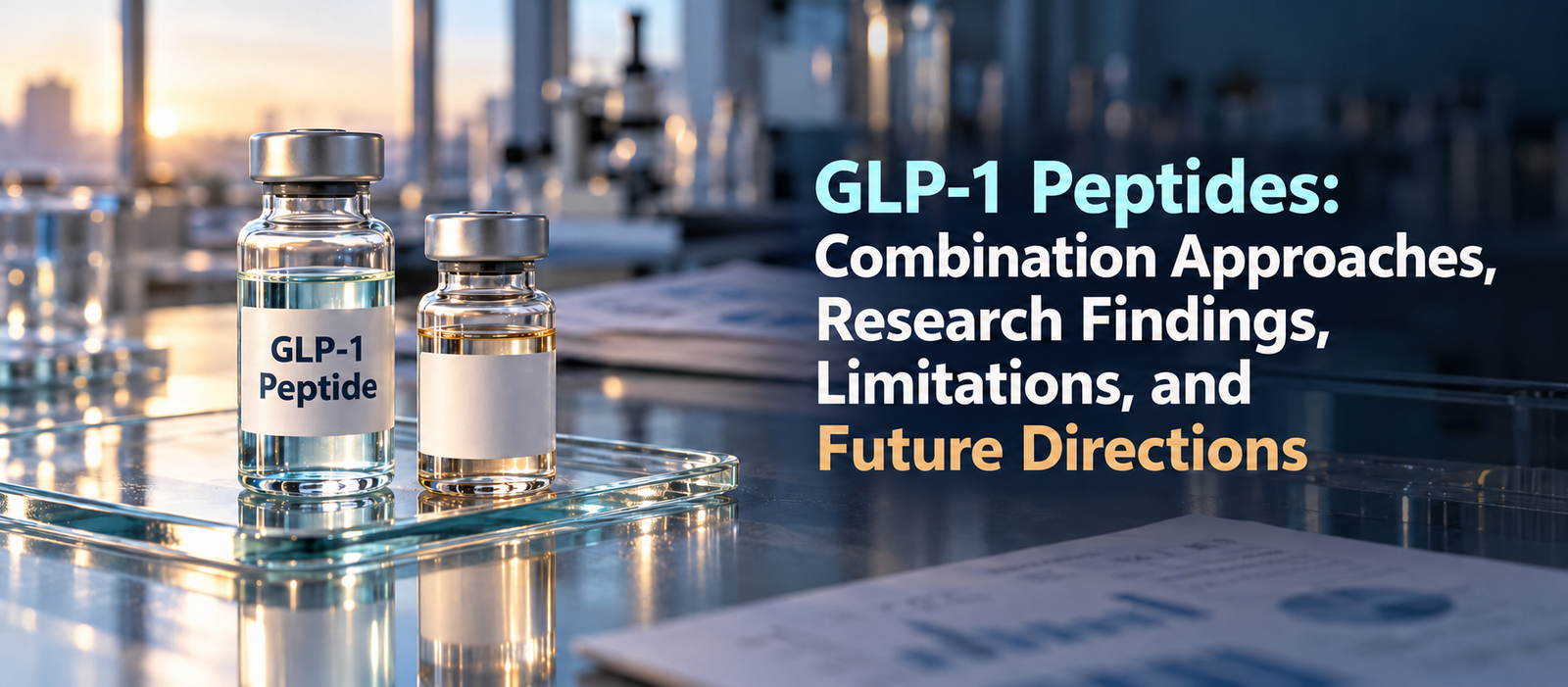
GLP-1 peptides have become an important treatment option for obesity and type 2 diabetes. Researchers are studying GLP-1-based combinations to explore their effects on weight, glucose control, and other metabolic outcomes.
(Drucker, 2025) (Melson et al., 2025)
Why Combine GLP-1 With Other Peptides?
GLP-1-based medicines can affect blood glucose, appetite, and food intake. Researchers are studying dual and triple GLP-1-based therapies to investigate effects on energy balance, satiety, and metabolism.
| Combination strategies | Research Focus |
|---|---|
| GLP-1 and GIP | Glucose control and weight loss |
| GLP-1 and Glucagon | Weight loss and additional benefit of energy use |
| GLP-1 and Amylin | Control of Appetite and satiety |
| GLP-1, GIP and Glucagon | Multiple metabolic actions |
The overall research goal is to investigate weight regulation and metabolic health.
Important Challenges With These Combinations
- Gastrointestinal effects such as nausea, vomiting and diarrhea
- Increased heart rate with some multi-agonists
- Muscle mass loss during rapid weight loss
- Weight regain when treatment stops
- Long-term safety, tolerability, cost and access
Muscle preservation is an important research question, especially during rapid weight loss. Researchers are also studying the role of adequate protein intake and resistance exercise in maintaining muscle during weight loss.
Future Perspectives For These Strategies
- Choosing the best combination for each patient
- Finding ways to reduce muscle loss
- Maintain benefits after treatment
- Developing oral peptide formulations
Final Takeaway
GLP-1 research is expanding from single-target approaches toward multi-target peptides and combination strategies. These approaches are being studied for their potential metabolic effects while researchers continue to evaluate safety and long-term challenges.
Disclaimer: This information is provided only for educational and scientific purposes. Research peptides are intended only for laboratory research and are not approved for human use unless authorized by the relevant regulatory authorities. This article does not recommend the use of any research peptide or combination for treatment.
References
Melson, E., Ashraf, U., Papamargaritis, D., & Davies, M. J. (2025). What is the pipeline for future medications for obesity? International Journal of Obesity, 49, 433–451. https://doi.org/10.1038/s41366-024-01473-y
Drucker, D. J. (2025). GLP-1-based therapies for diabetes, obesity and beyond. Nature Reviews Drug Discovery, 24, 631–650. https://doi.org/10.1038/s41573-025-01183-8
Tysoe, O. (2025). Combined amylin analogue and GLP1 receptor agonist therapies are highly promising for weight loss. Nature Reviews Endocrinology, 21, 524. https://doi.org/10.1038/s41574-025-01156-2