The concept of a “longevity stack” — a combination of compounds studied for their potential to support cellular health and slow the biological ageing process — has attracted significant research interest. Three compounds that appear repeatedly in the preclinical literature on cellular ageing are Epithalon, GHK-Cu, and NAD+ (or its precursors). This article reviews the research basis for each compound and examines the rationale for their combined use in research protocols.
Epithalon: Telomerase Activation
Epithalon (Epitalon) is a synthetic tetrapeptide (Ala-Glu-Asp-Gly) derived from epithalamin, a polypeptide extract of the pineal gland. It was developed by the Russian gerontologist Vladimir Khavinson, who has published extensively on its effects in animal models and human studies over a 40-year research career.
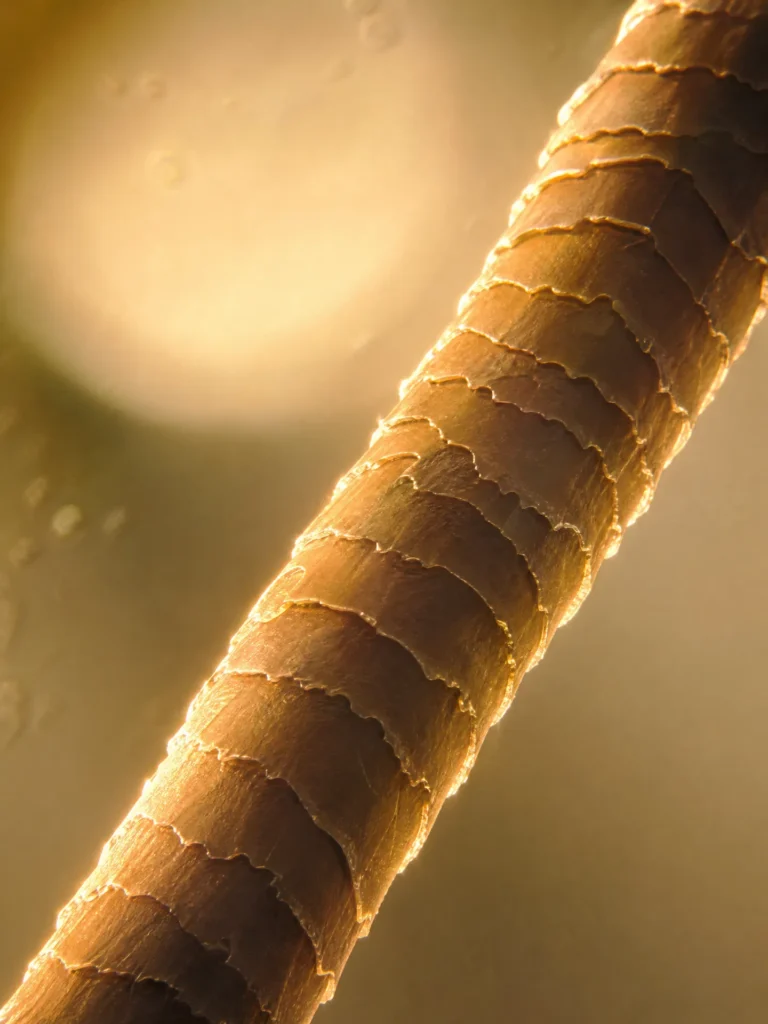
The primary mechanism studied for Epithalon is the activation of telomerase — the enzyme that maintains telomere length. Telomeres are the protective caps at the ends of chromosomes that shorten with each cell division. Telomere shortening is a hallmark of cellular ageing, and cells with critically short telomeres enter a state of senescence or apoptosis. Epithalon has been shown in in-vitro studies to activate telomerase in human somatic cells, potentially extending their replicative lifespan.
Khavinson et al. (2003) demonstrated that Epithalon increased telomerase activity in human fetal fibroblasts and extended their replicative potential beyond the normal Hayflick limit — a finding that has been replicated in several subsequent studies.
GHK-Cu: Gene Expression and Cellular Repair
As reviewed in our dedicated GHK-Cu article, this copper peptide complex modulates the expression of over 4,000 human genes, with a bias towards genes associated with tissue repair, antioxidant defence, and anti-inflammatory responses. In the context of longevity research, GHK-Cu’s ability to reset gene expression patterns towards a more youthful profile is of particular interest.
Pickart and Margolina (2018) proposed that GHK-Cu acts as a “tissue remodelling signal” that is released in response to tissue damage and coordinates a repair response. They noted that plasma levels of GHK-Cu decline significantly with age — from approximately 200 ng/mL in young adults to 80 ng/mL in older adults — and hypothesised that this decline may contribute to the reduced regenerative capacity observed with ageing.
NAD+: Mitochondrial Function and DNA Repair
Nicotinamide adenine dinucleotide (NAD+) is a coenzyme found in all living cells that plays a central role in energy metabolism and cellular signalling. NAD+ levels decline with age, and this decline has been linked to mitochondrial dysfunction, impaired DNA repair, and increased cellular senescence — all hallmarks of biological ageing.
NAD+ is a required cofactor for sirtuins — a family of NAD+-dependent deacetylases that regulate numerous cellular processes including DNA repair, mitochondrial biogenesis, and inflammatory signalling. It is also required by PARP enzymes, which are the primary responders to DNA strand breaks. The decline in NAD+ with age therefore has broad implications for cellular maintenance and repair.
Rationale for Combined Research
The three compounds target distinct but complementary aspects of cellular ageing: Epithalon addresses telomere maintenance, GHK-Cu addresses gene expression and ECM repair, and NAD+ addresses mitochondrial function and DNA repair. There is no published research specifically examining the combination of all three compounds, and the interactions between them are not characterised.
This article is for research and educational purposes only. All compounds mentioned are sold by The Bio Edit for laboratory and in-vitro research use only. No clinical protocols are implied or recommended.
Conclusion
Epithalon, GHK-Cu, and NAD+ each have a distinct and reasonably well-characterised mechanism of action in the context of cellular ageing research. Their complementary targets — telomere maintenance, gene expression, and mitochondrial function — provide a rational basis for their combined study, though direct evidence for synergistic effects in combination is currently lacking in the published literature.