The synthesis of research-grade peptides is a highly technical process that requires specialised equipment, reagents, and analytical capabilities. Understanding how peptides are made — and the quality control steps that determine their purity — provides essential context for evaluating the compounds used in research.
Solid-Phase Peptide Synthesis (SPPS)
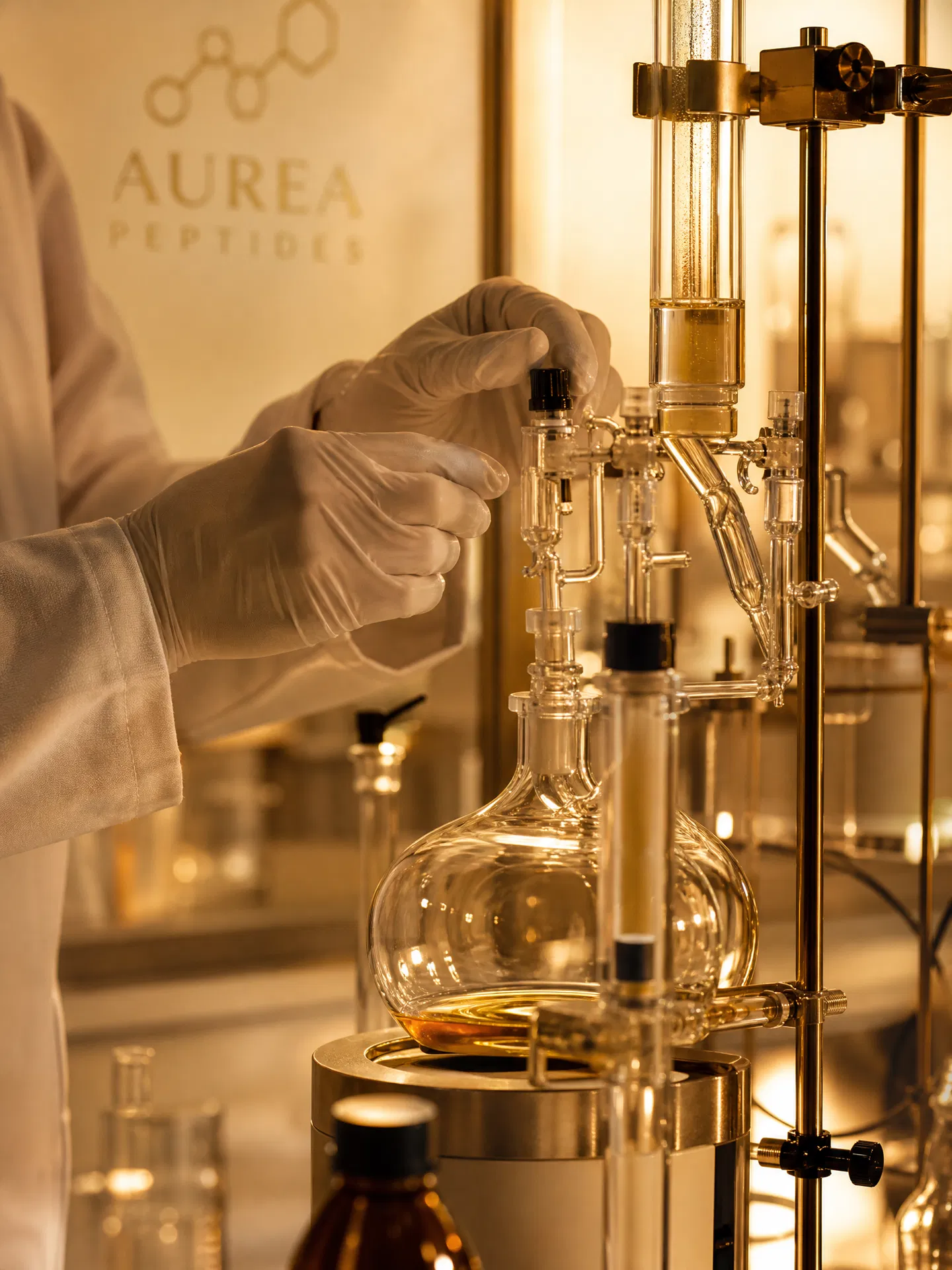
The dominant method for synthetic peptide production is Solid-Phase Peptide Synthesis (SPPS), developed by Robert Bruce Merrifield in 1963 — work for which he received the Nobel Prize in Chemistry in 1984. In SPPS, the peptide chain is assembled stepwise on an insoluble solid support (resin), with each amino acid added one at a time from the C-terminus to the N-terminus.
The key advantage of SPPS over solution-phase synthesis is that the growing peptide chain remains attached to the resin throughout the synthesis, allowing excess reagents and by-products to be washed away after each coupling step. This dramatically simplifies the purification process and enables the synthesis of longer peptide sequences.
Fmoc Chemistry
The most widely used SPPS strategy is Fmoc (9-fluorenylmethoxycarbonyl) chemistry. In Fmoc SPPS, each amino acid is protected at its α-amino group by the Fmoc group, which is removed (deprotected) by treatment with piperidine before the next amino acid is coupled. Side-chain protecting groups are removed in the final cleavage step, along with the peptide from the resin.
The efficiency of each coupling step is critical. For a 10-amino acid peptide, if each coupling achieves 99% efficiency, the theoretical yield of full-length product is 0.99¹⁰ = 90.4%. For a 30-amino acid peptide at the same efficiency, the yield drops to 74%.
This mathematical reality explains why longer peptides are inherently more challenging to synthesise at high purity, and why the quality of the coupling reagents, the resin, and the protected amino acid building blocks all have a direct impact on the final product quality.
Purification by Preparative HPLC
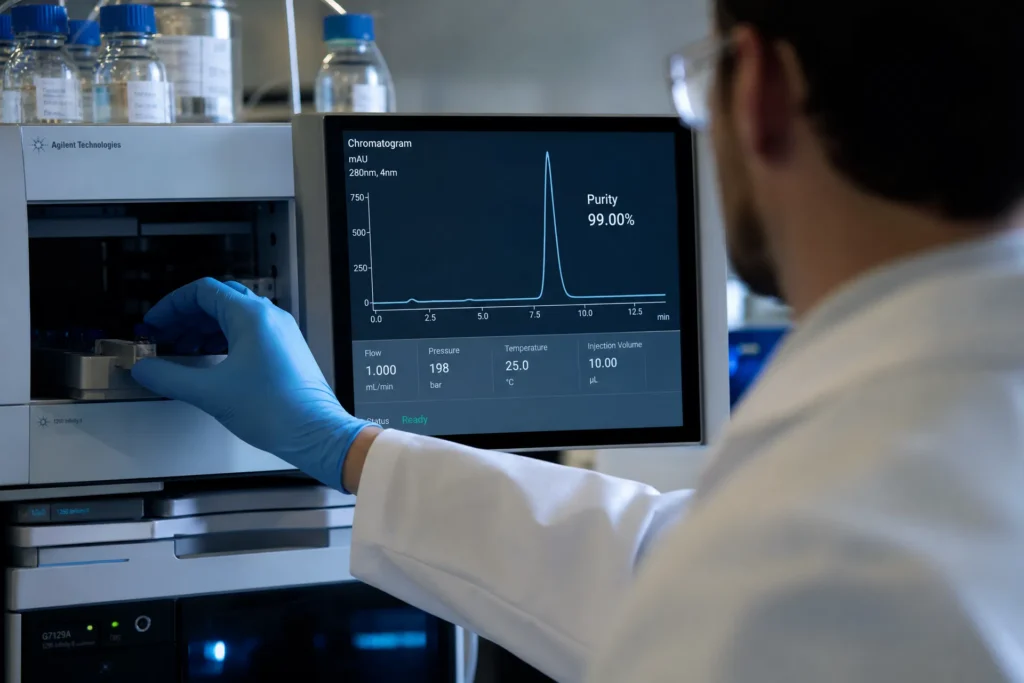
After cleavage from the resin and global deprotection, the crude peptide is a mixture of the target sequence and various deletion sequences, truncated peptides, and side-chain modification products. Preparative reversed-phase HPLC is used to isolate the target peptide from this mixture, collecting the fraction corresponding to the main peak in the chromatogram.
The purity of the final product is determined by analytical HPLC and mass spectrometry. For research-grade peptides, a purity of ≥95% is the minimum standard; for high-quality research compounds, 99%+ purity is achievable and desirable.
Lyophilization and Final Formulation
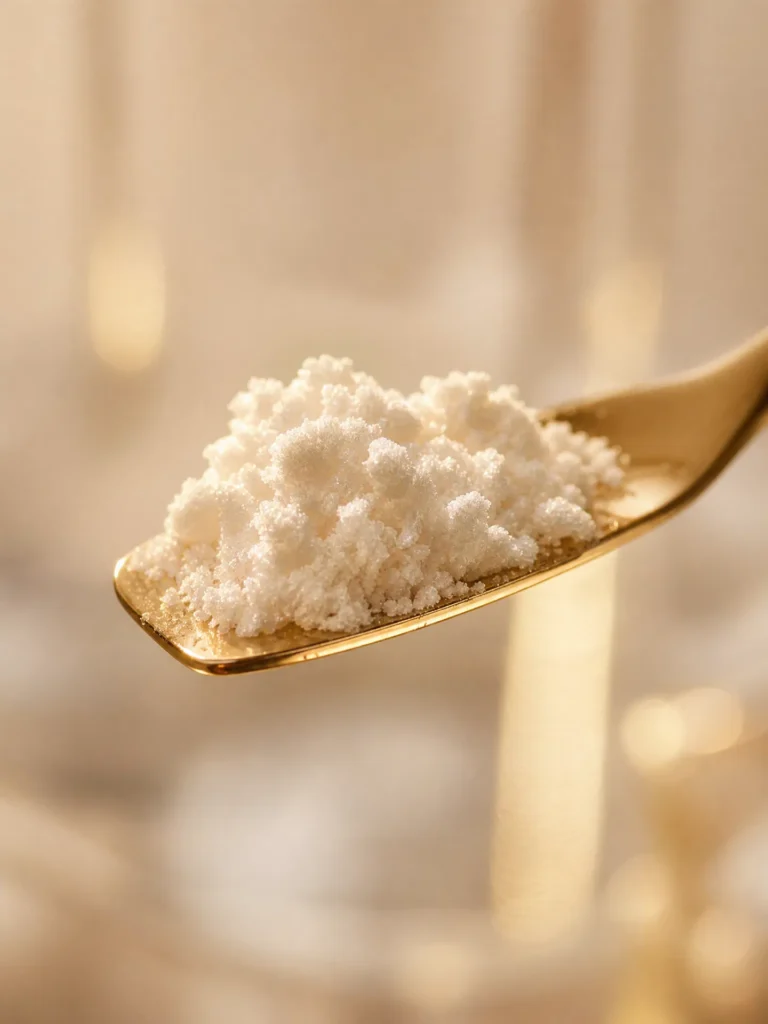
After purification, the peptide solution is lyophilised (freeze-dried) to produce a stable powder. This process removes water while preserving the peptide’s chemical integrity, resulting in a product with superior shelf life compared to aqueous solutions. The lyophilised powder is then weighed, dispensed into vials, and sealed under inert atmosphere.
All Bio Edit peptides are synthesised using Fmoc SPPS, purified by preparative HPLC to 99%+ purity, and lyophilised for maximum stability. Each batch is independently verified by UPLC/MS before release.
Conclusion
Peptide synthesis is a multi-step process in which the quality of the final product is determined by the cumulative efficiency of every coupling reaction, the quality of the purification, and the rigour of the analytical testing. Understanding this process helps researchers make informed decisions about the compounds they use and the quality standards they should demand.